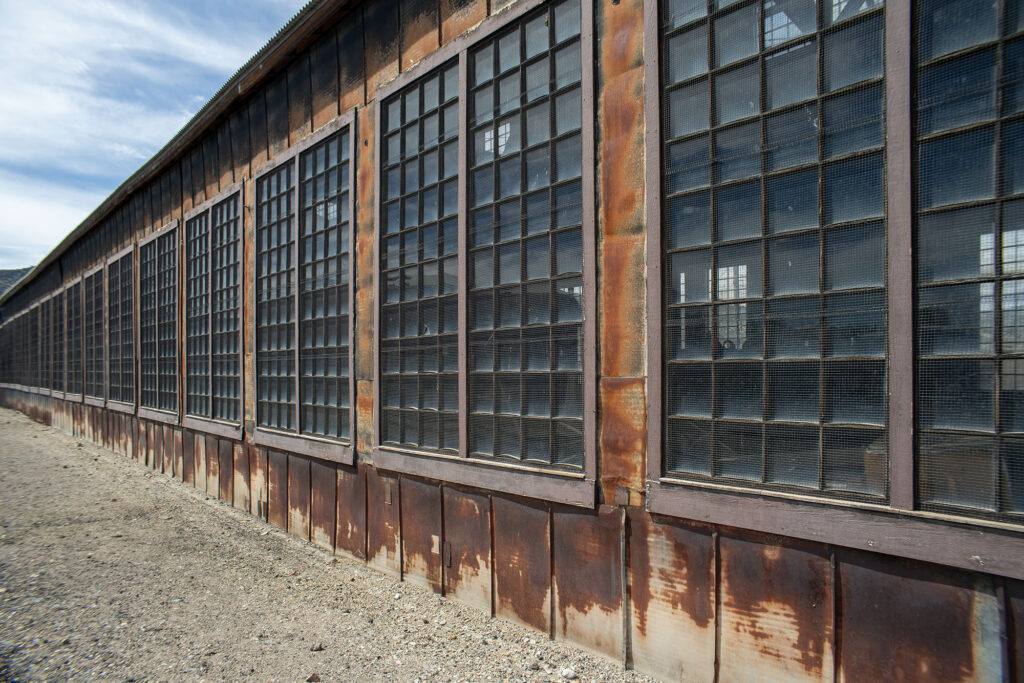
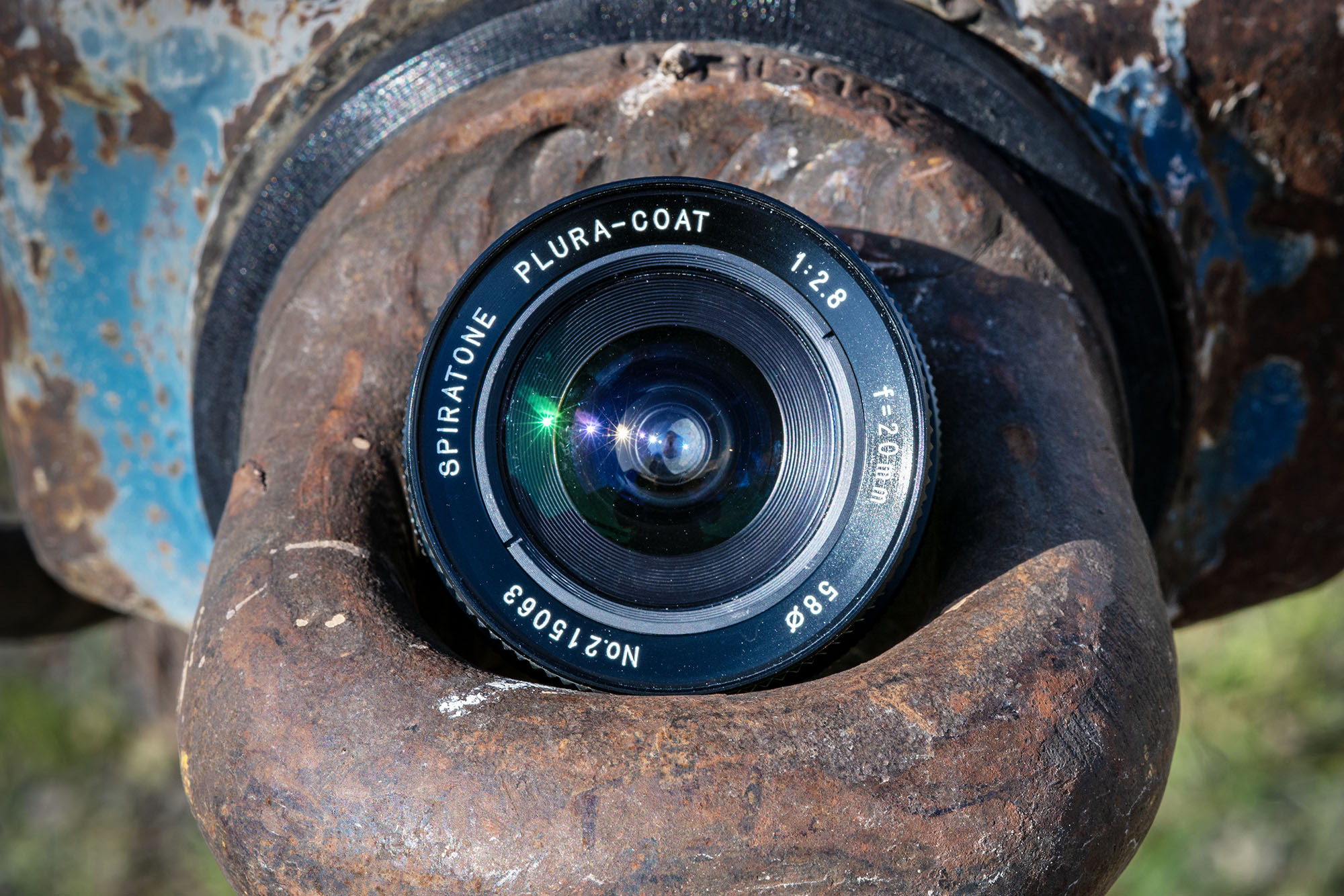
Yes, I’m a sucker for ultra-wide lenses. I can’t remember how or when this one joined the team, other than that it came in with a mixed lot of Minolta gear. I’ve used it on and off for a couple of years, and I have come to enjoy it.
The Spiratone brand doesn’t inspire any “oooohhh, aaaahhh” reactions as does the Zeiss, Leitz, or the better Japanese glass. Having learned to leave my assumptions at the door, I was willing to give this one a chance to prove itself worthy. It was offered in a number of mounts, and this one has the Minolta SR (AKA MD) mount.
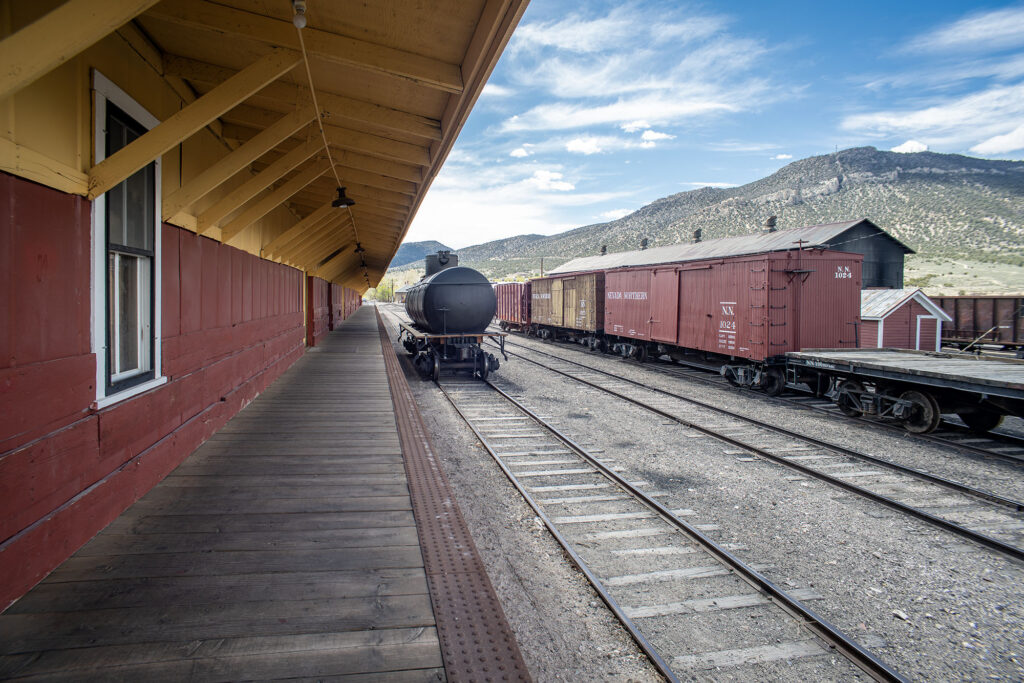
Spiratone was a New York based brand known for importing budget friendly photographic equipment. Looking through some of Spiratone’s offerings over the years, it appears that they were trying to fill underrepresented niches in the industry. Ultra-wide angles, long telephotos, stabilizers, filters, autowinders all graced the pages of their catalogs.
We have all been programmed with the adage, “You get what you pay for”, but occasionally something comes along that challenges the idea. This lens certainly did that. I have been pleasantly surprised by the overall build quality as well as the image quality from this lens. Years ago I would have dismissed it, but I have since outgrown my prejudices.

I have been using this lens on both film and digital bodies. On both, it performs admirably, if one adjusts his or her expectations appropriately. This is a 1980s vintage budget lens, and even though it outperforms its price point, it still is what it is. This is not a premium, professional lens with aspherical, extra-low dispersion elements or stabilization.
Corners can get a little smeared. Distortion presents itself in some situations. Spherical and chromatic aberrations are there as well. There are challenges inherent in designing and building an ultrawide angle lens. The photographer’s job is to exploit its capabilities and work within its limitations. Stopping down the aperture mitigates a lot of problems.

Discussions of this lens’ field curvature, wide open image quality, minimum focal distance, or bokeh seem a little irrelevant to me. Ultrawides want to run stopped down, with extreme depth of field. This isn’t a typical portrait lens, unless one wants that kind of distortion. There is nothing “natural” about its perspective. That is indeed its charm.
In tight quarters, the Spiratone 20mm is right at home. In several circumstances, having little space in which to maneuver, I was happy to have it in the bag. Parts of the subject closest to the lens are exaggerated. Apparent depth in a scene is amplified. Any convergence within that scene is dramatic. This lens practically creates its own leading lines. It’s just…fun.
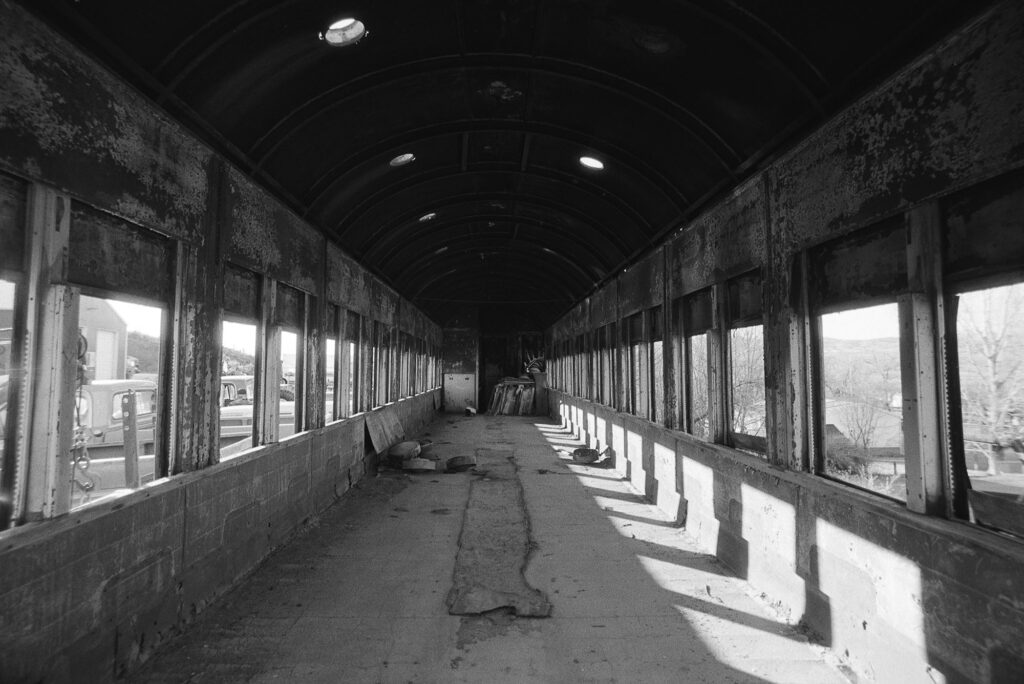
It’s fun because it is such a radical departure from the view of a more “moderate” lens, whether wide or telephoto. You’re not playing it safe with an ultrawide. You’re taking risks, willing to include nearly everything in the scene.
The photographer’s challenge becomes one of using a complex scene to evoke an emotion or tell a story. There can be too much information, leading the eye astray and robbing the subject of its due attention. Distractions around the edge of the frame become critical. I have a habit of running my eye around the edges prior to releasing the shutter, specifically looking for those distractions.
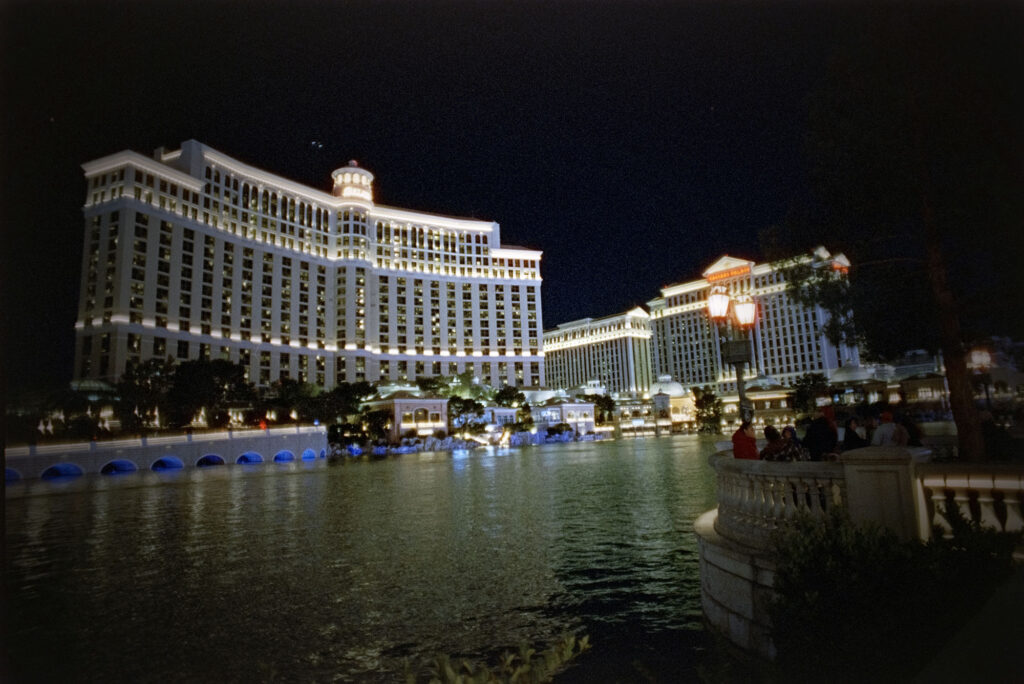
It’s probably unfair, but lately I have been running it on a 42 megapixel full frame mirrorless camera. Evaluating a vintage budget lens on a camera capable of such resolution is admittedly a bit silly. Premium, professional lenses of the same vintage show their flaws at that point, so I can’t crow too loudly at any apparent imperfections in this lens.
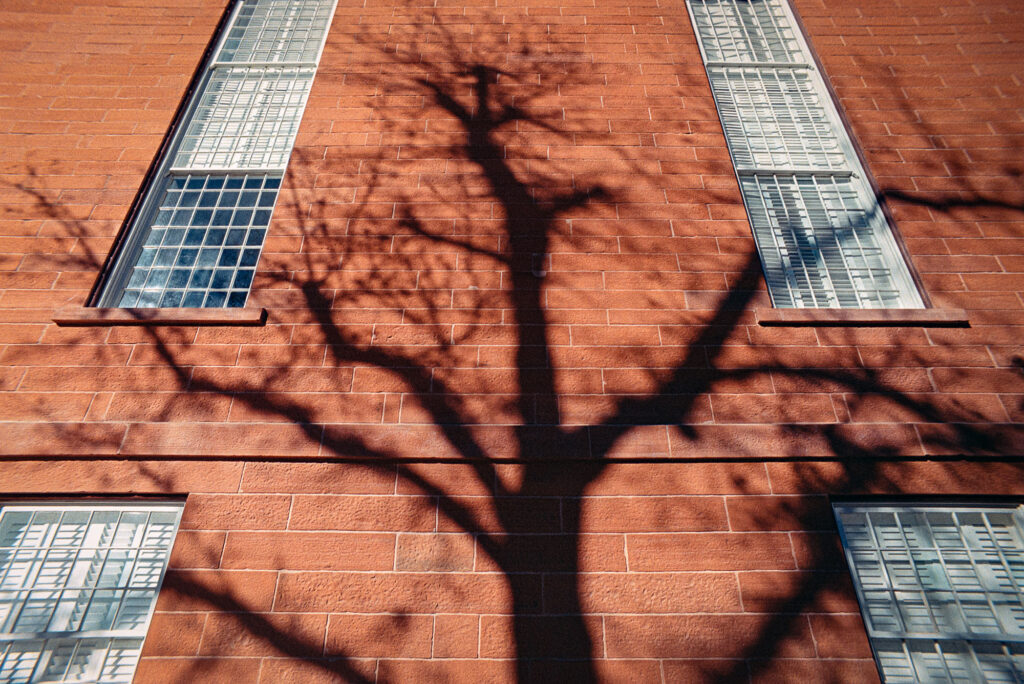
Nevertheless, I couldn’t help but zoom in just a little, and I was gratified that this lens was sharper than I expected, at least in the middle. It’s just not fair to compare it with ultrawides from Zeiss or Voigtlander. Getting bogged down in pedantic pixel peeping prevents us from going out and making photos. This is just a fun lens with no pretentious pedigree.
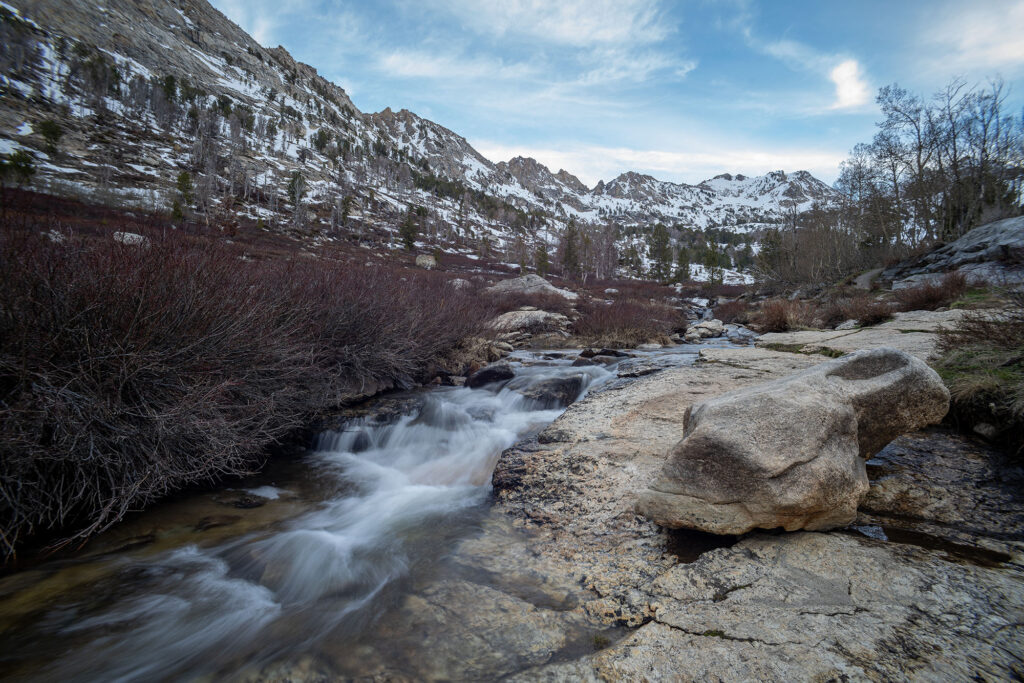
Specs:
Designation: Spiratone Plura-coat 20mm f2.8
Introduced: Japan, 1983
Weight: 231.5g (8.2oz)
Optics: 9 elements in 7 groups
Angle of view: 94°
Minimum focus distance: 0.2m (8 in)
Aperture range: f2.8 to f16
Aperture: 6 blades, straight
Filter diameter: 58mm