I couldn’t help it. You’ve been there before, right? Something you have been wanting for a long time shows up, and you seize the opportunity. You find a way to make it happen because you may not pass that way again.
Such was the case when my local camera store owner let me know that he had taken in some nice Nikon equipment. Now, when he said “nice”, he was understating a bit. This lot was pristine, near mint condition. Somebody had apparently spared no expense to outfit himself with a fine Nikon film camera kit, used it very little, took meticulous care of it, and eventually lost interest and sold it.
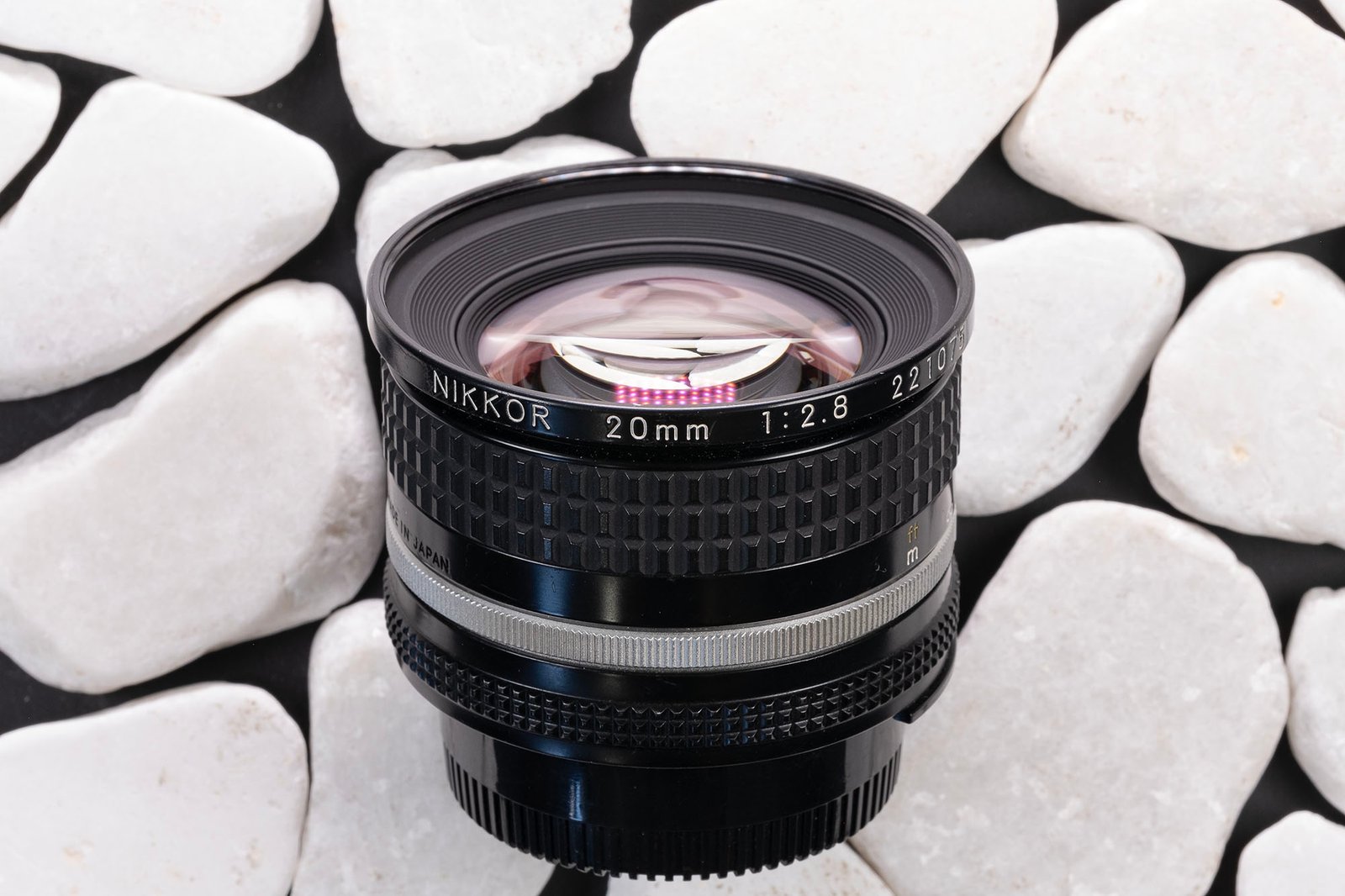
After flicking the little angel from my shoulder and into the next room, I left that day with this Nikkor 20mm and a 105mm Micro-Nikkor. Both of these lenses were on my wish list, and they dropped right in my lap. I love macro lenses, and I love ultra-wides. It was a good day.

Earlier this year, I was given a Nikkor AF-D 20mm f2.8 lens. It had a few problems, and I sent it off to be repaired. The repairman replaced the slightly scuffed rear element group with a spare that was so etched and fogged that it was unusable. I sent it back again, only to have the original group put back in, but this time the lens was horribly de-centered. I abandoned the lens entirely, telling the repair shop to keep it for parts. There was no winning.
Then along came this one. The manual focus AIS version of this lens feels so much more robust and sturdy. The focus ring turns very smoothly, with typical Nikkor precision. Adjusting the aperture has the same feel, with smooth rotation and distinct detents. Overall, the build quality is everything one would expect from Nikon. This likely matters more to me than to others, and that’s fine.
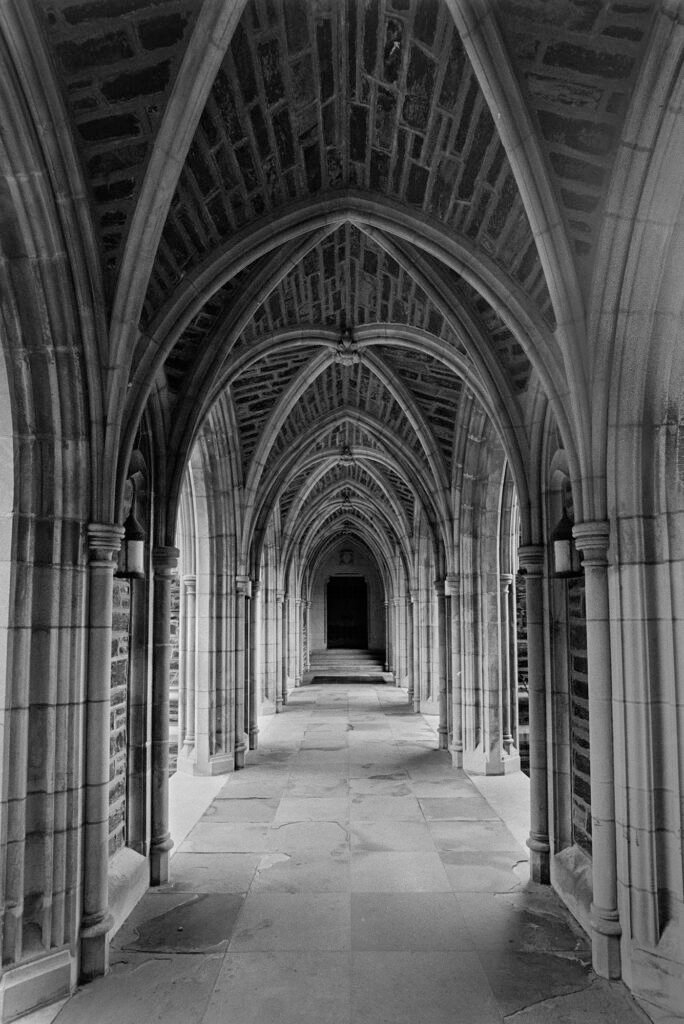
So far the lens has seen action on my Nikon F100 and Sony A7R II in Nevada, Utah, North Carolina and Arkansas. As expected, on film this lens shines. I admit I was a little nervous at first about using it on such a high resolution digital body. This Sony is unforgiving, and part of me was afraid that after wanting this lens for so long I would ultimately be disappointed. I was not.

Nikon has produced a 20mm lens for decades. The AIS version was introduced in 1984 and was still for sale new in 2021. That’s a long run. Nikon continued to manufacture it long after the technology had been outmoded by autofocus design and digital cameras had conquered the world. I suppose they were responding to demand. It kept selling.

Nikon’s 20mm has “Close-Range Correction”, or CRC, which maintains image quality at shorter focal distances. One might ask, “Why would somebody use an ultra-wide lens on a close subject?” I suppose it makes more sense to use longer focal length or macro lens for close-up work, but sometimes I want to employ the stretched perspective of an ultra-wide. It simply gives a different and unique look.
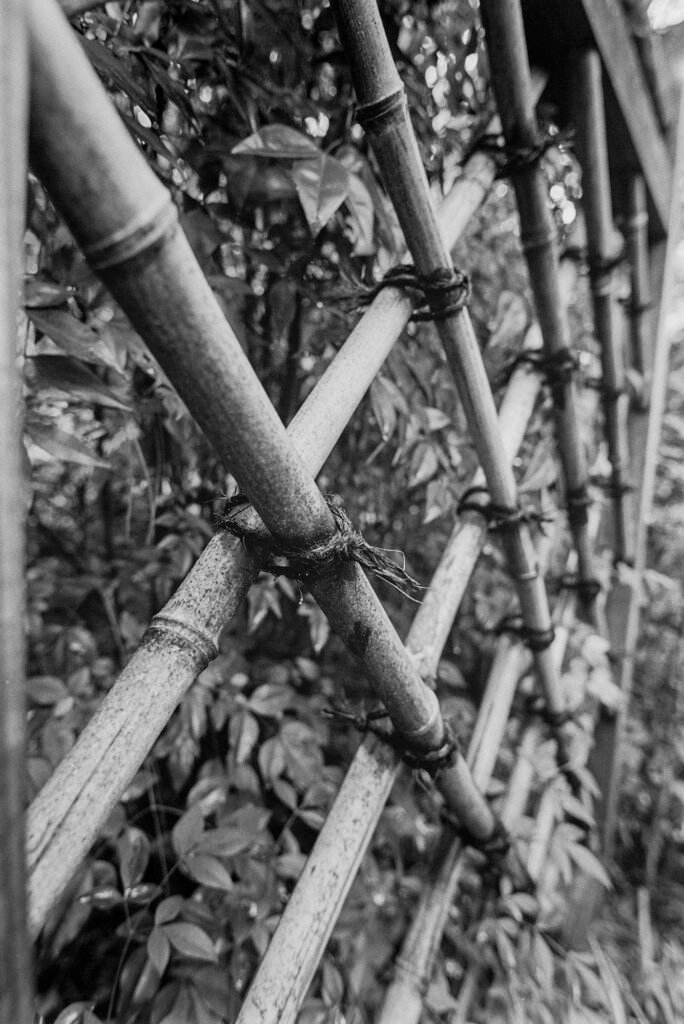
There are certain challenges associated with making an ultra-wide lens. One such challenge is managing distortion. More modern ultra-wides use aspherical lens elements to control that distortion, but the Nikkor 20mm lacks this. I’m sure they did the best they could do to minimize it, but there is a little of what is called “mustache” distortion. This becomes visible when photographing a subject with horizontal, straight lines near the top or bottom of the frame. Think “brick wall”.
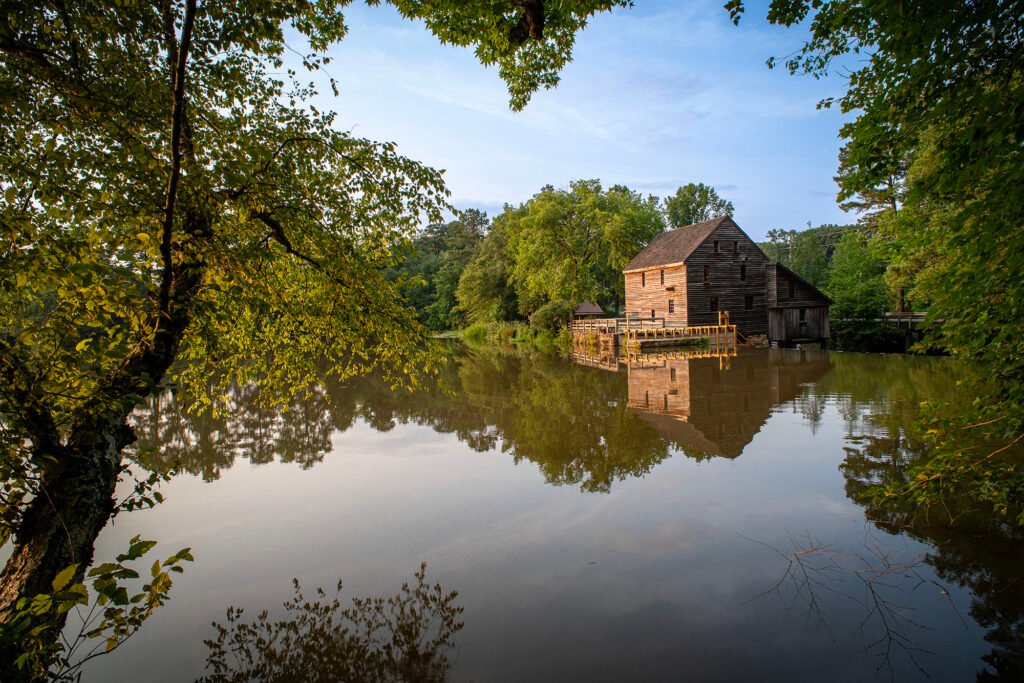
Some people will photograph that brick wall just to call attention to that distortion. I’ll be honest…I don’t care about it. I rarely photograph brick walls straight-on with ultra-wide lenses. My typical uses for a lens like this are evident in the photos I have included in this post. In none of them is that distortion a significant problem.
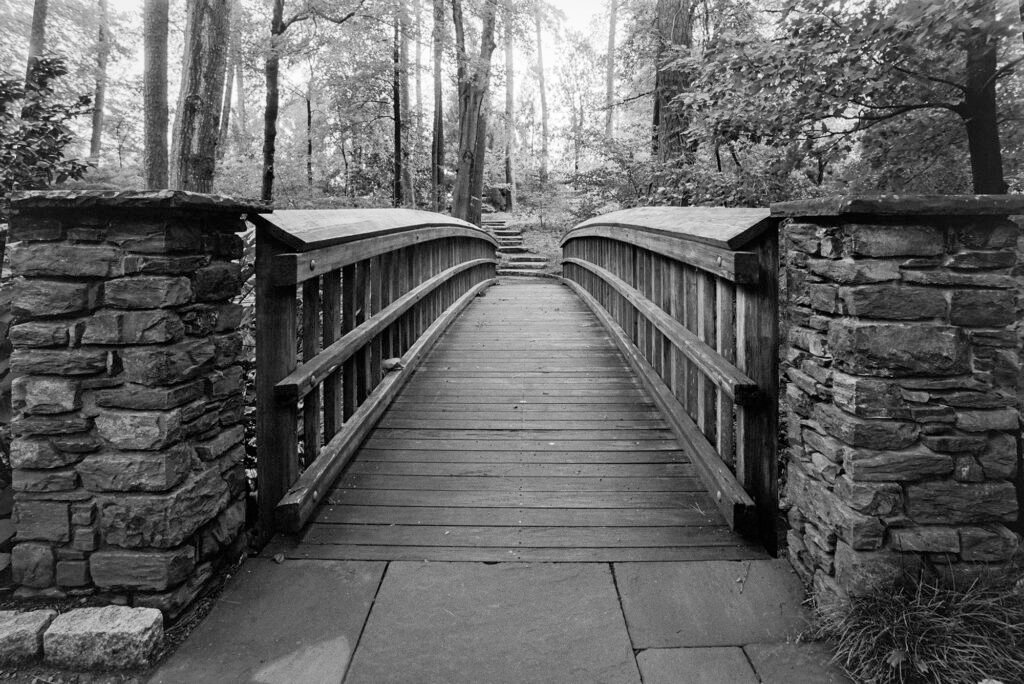
Another possible weakness is lack of sharpness around the edges or corners of the frame. Usually this is most evident at the wider apertures, and particularly wide open. Most vintage wide angle lenses with spherical elements exhibit this. The Nikkor 20 does as well, to some degree. That said, I find myself usually running at f8 to f16 anyway, to maximize depth of field. At these apertures I might see a little softness in the far corners, but nothing that detracts from the subject or the overall image.

I have noticed a little tendency to flare in backlit conditions, although I have mostly seen it on film. It came with the original HN-1 metal hood, but it is so wide that it ends up being more cumbersome than useful. I left it at home. I always keep a quality UV filter on it to protect the front element. I have also noted some chromatic aberration in areas of extreme contrast around the edges. This is easily corrected after scanning. Neither the flaring or the chromatic aberration were caused by the filter.
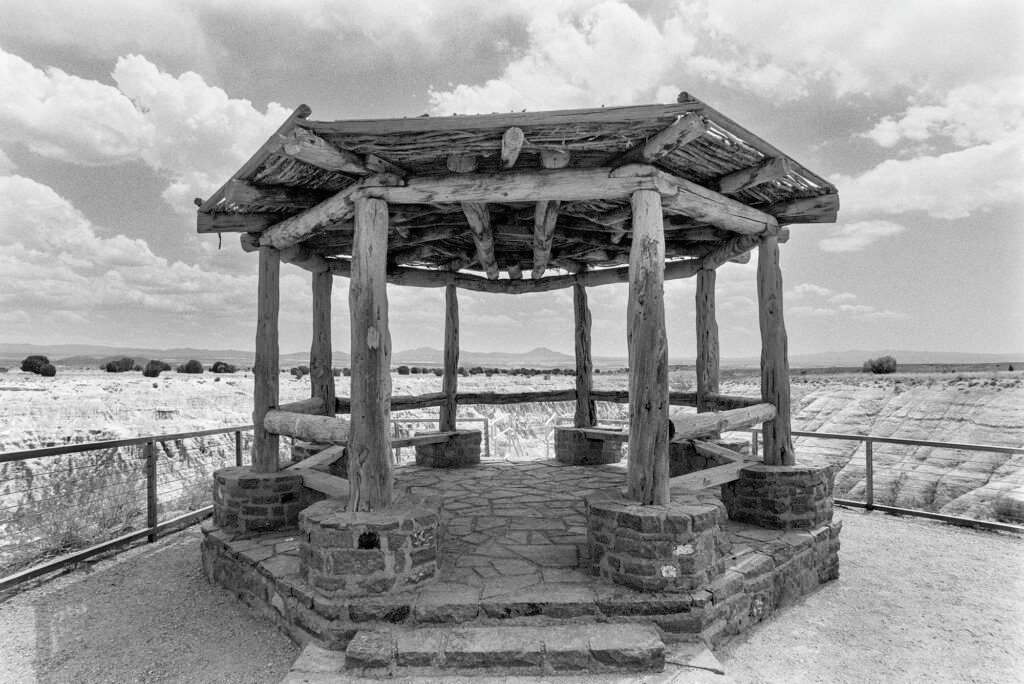
Yes, these are optical flaws rendering this lens short of theoretical perfection. No, it doesn’t keep me awake at night. I don’t even go out to lunch with people that would lose any sleep over it. We are using vintage lenses for the sake of using vintage lenses. We accept and often celebrate the flaws and imperfections inherent in doing so. My own expectations and thresholds for satisfaction are adjusted accordingly. I mention those flaws to be fair and objective, as this is a review, of sorts.

In my Nikkor wide angle lineup, I already had a 35mm, 28mm, and a 24mm. Did I really need a 20mm? There is only a 10° difference in the angle of view between the 24mm (84°) and the 20mm (94°). It may seem like a small difference, but it matters. In certain scenes, I want that stretched perspective. Sometimes I want to include everything I see, all at once. Some scenes have depth and convergence, and this lens takes that a little further. OK, if I’m being honest, “need” had nothing to do with it.
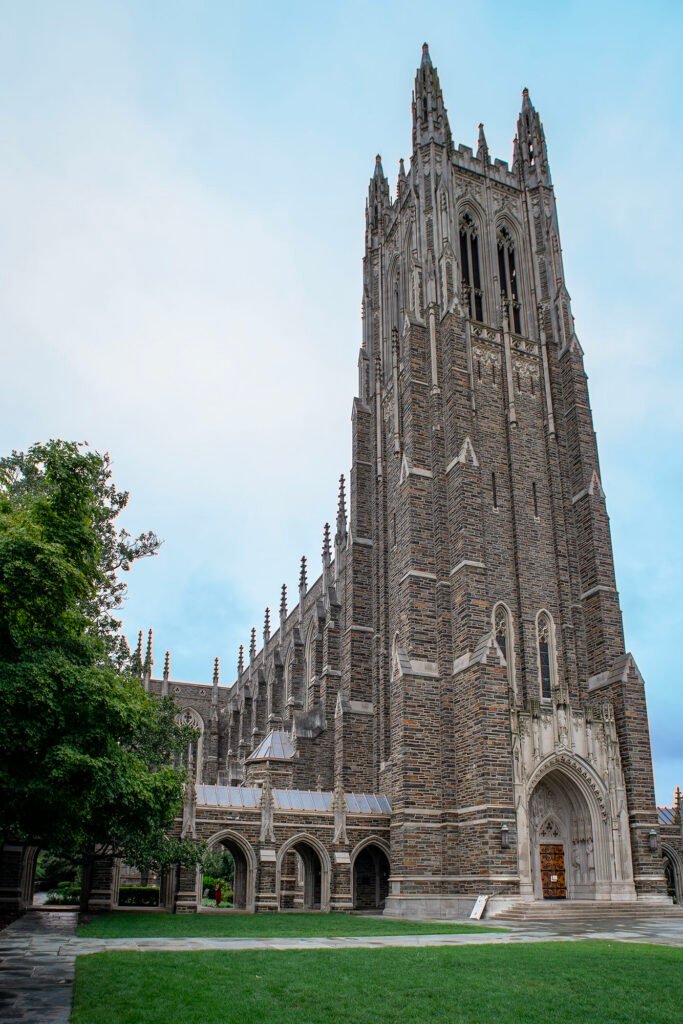
I carried both the Sony A7R II and the Nikon F100 on recent trips. I had the Sony AF zoom lens for the A7R II, but rarely used it. For the Nikon I brought the 20/2.8, a 50/1.4 and the Micro-Nikkor 105/2.8. I found myself using the old Nikkor lenses on the Sony more often than not. I love the fact that I can do that.
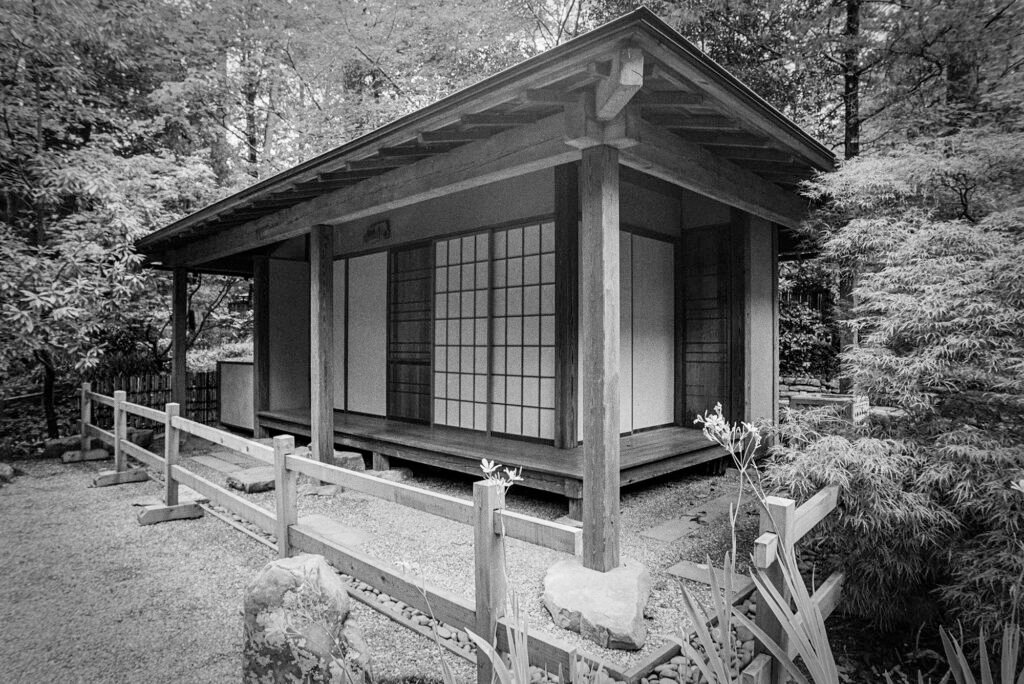
Disappointed? Absolutely not. Regrets? None whatsoever. Would I bring the same kit if I made the trip again? Definitely. There is always room for an ultra-wide lens in the bag. I had no idea what I would be photographing when I packed the bag. We made some rough plans when we arrived, and had to constantly adjust them due to weather.
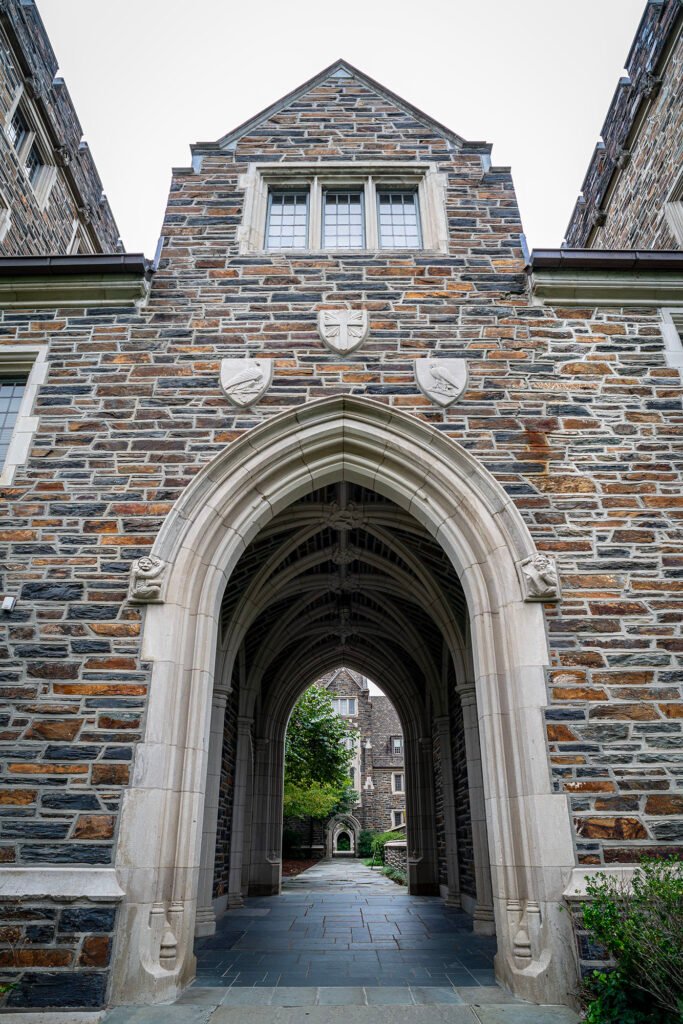
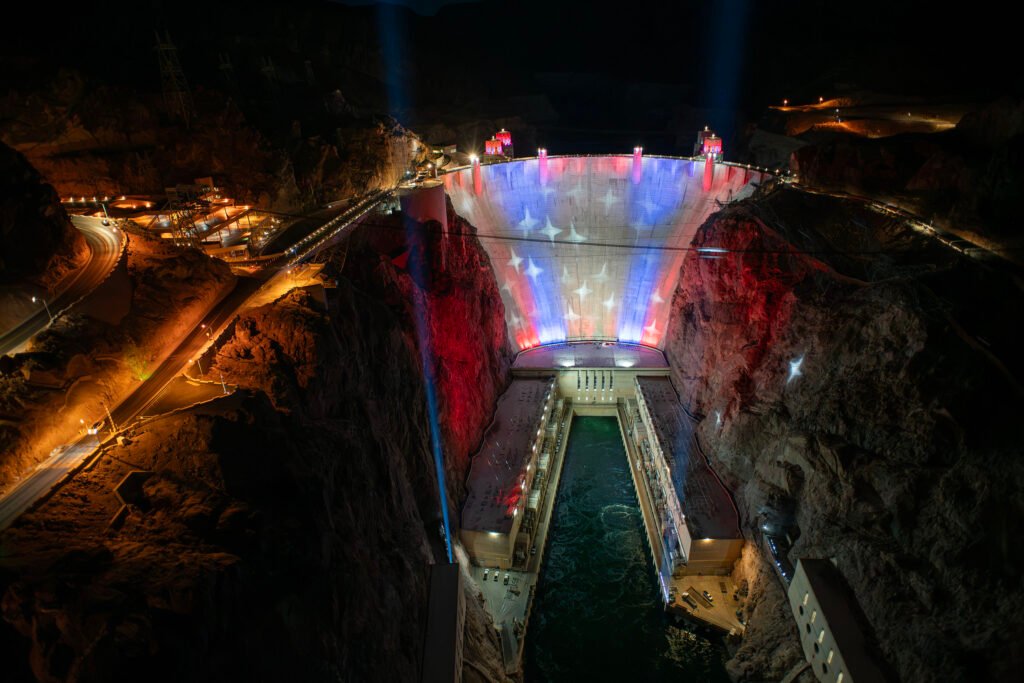
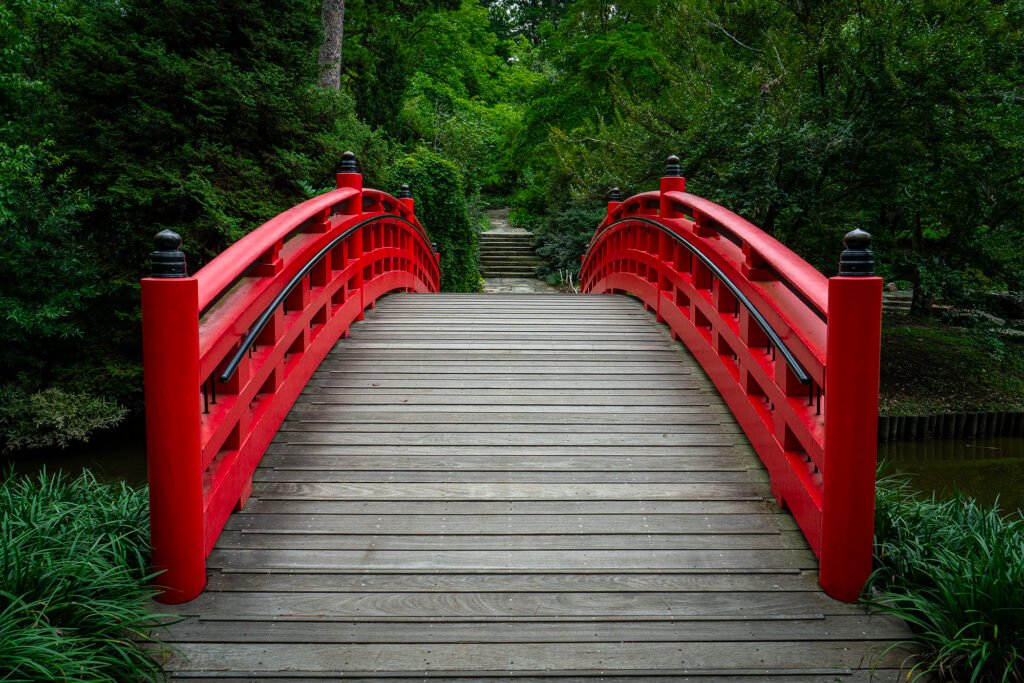
The botanical gardens and Gothic architecture at Duke University (Durham, North Carolina) were shot in intermittent rain. The 19th-century gristmill (Raleigh, North Carolina) was shot on a hot, buggy, muggy evening. Closer to home, the giant flag hanging over Padre Canyon (Ivins, Utah) and the patriotic light show at Hoover Dam (Boulder City, Nevada) were shot at well over 100°F (38°C) and bone-dry.

This lens performed flawlessly in all conditions, on both cameras. I wouldn’t hesitate to pop it on my FM2n to go snowshoeing in sub-freezing temperatures. My admiration for Nikkor manual focus lenses is not rooted in hype or fad; it has been developed over decades of hard use and consistent results. This lens lived up to my expectations, and will likely outlive me.

Specs:
Designation: Nikon Nikkor 20mm f2.8 AIS
Introduced: Japan, 1984
Mount: Nikon F
Weight: 270g (9.5oz)
Optics: 12 elements in 9 groups
Angle of view: 94°
Minimum focus distance: 26 cm (10.2 in)
Aperture range: f2.8 to f22
Aperture: 7 blades, straight
Filter diameter: 62mm